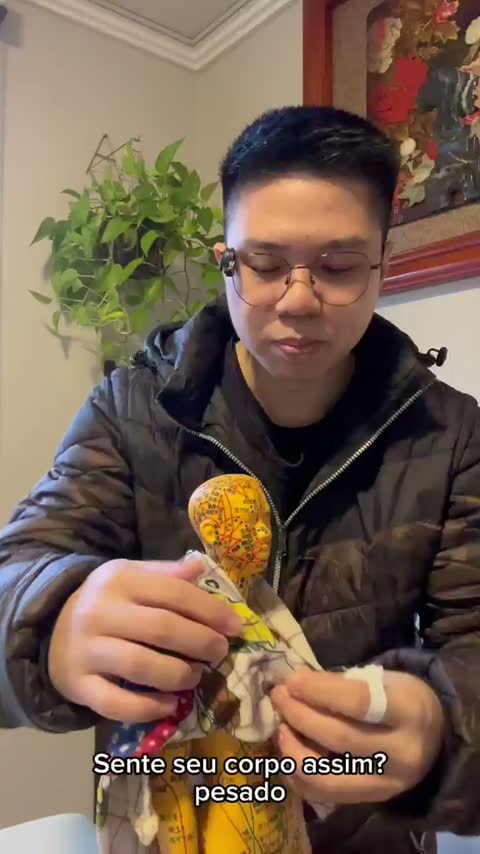
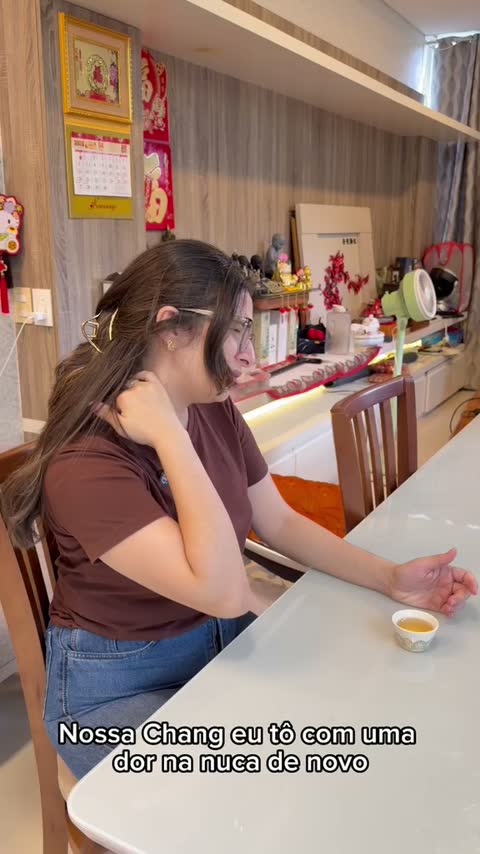
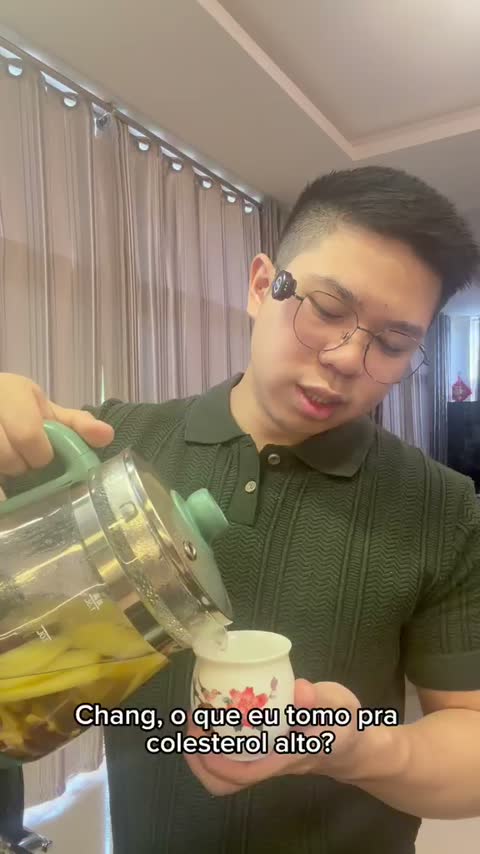
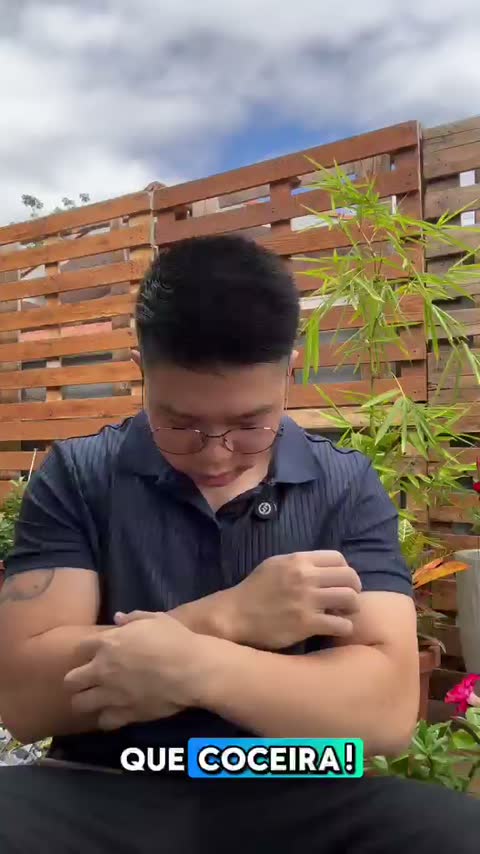
Pain doesn't always begin where it shows up.

Integrative therapies — Traditional Chinese Medicine, osteopathy and craniosacral therapy — to understand your body beyond the symptom.

Book an assessment (opens WhatsApp)

Foz do IguaçuCare in Português · Español · 中文 (not in English)

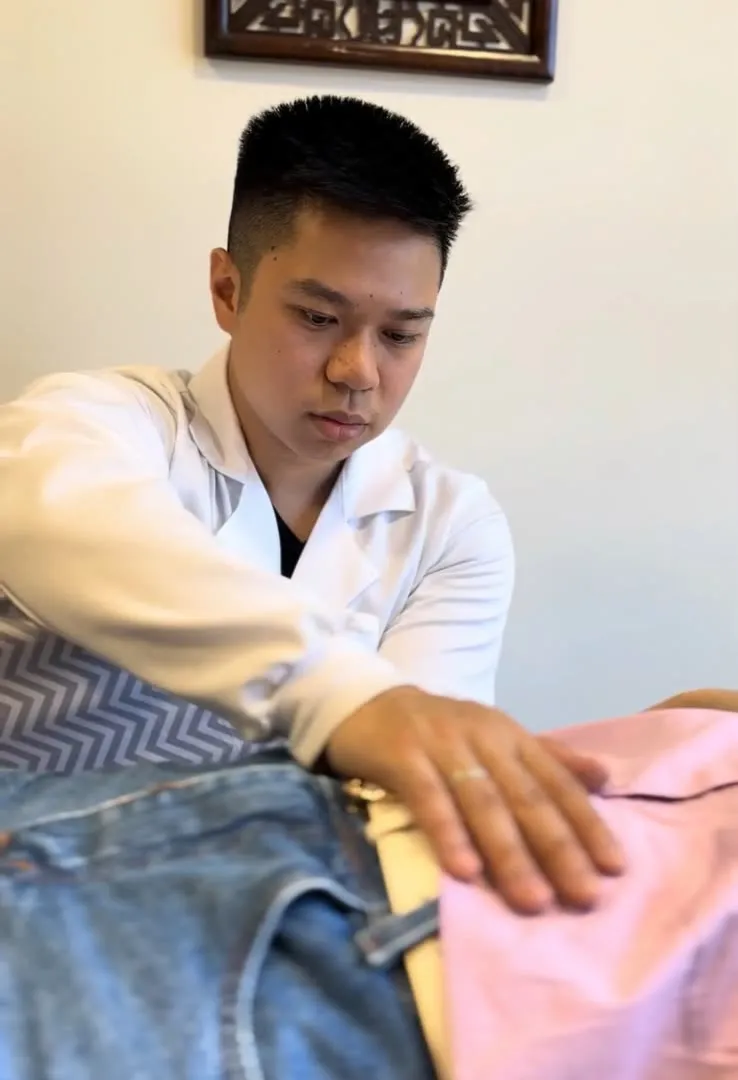
Dr. Chang with his hand on a patient's abdomen during an assessment

Beyond where it hurts

The place where pain shows up is not always the place where the problem began. That is why care is not based on the symptom alone: the assessment looks at the body more broadly, observing how movement, muscle and fascial tension, visceral function, sleep, digestion, habits, emotional state and other signs may be connected.

Dr. Chang's training is not used as a set of isolated techniques, nor applied the same way to everyone. It forms a line of reasoning to understand what may be contributing to each complaint: in some cases, movement and tissue tension; in others, the visceral region, the nervous system, patterns identified by Chinese Medicine, or emotional aspects that accompany that story.

Based on this assessment, the most suitable approaches for that moment are chosen. The goal is not to fit everyone into the same treatment, but to look for connections that often go unnoticed when only the painful spot is examined.

Every body has a story. And every case needs to be understood individually.
A whole-person view of health

The human body is made up of different systems that relate to and influence one another.

Health is not only the absence of pain or disease, but also a balance between physical, emotional and neurological aspects and lifestyle habits.

That is why care starts from an individual assessment, considering not only the symptoms presented, but also each person's history, routine and particularities.

The work brings together Traditional Chinese Medicine, osteopathy, craniosacral therapy and other integrative therapies.

Each technique offers a way of observing and understanding the body. Bringing this knowledge together allows a broader assessment, respecting each person's individuality.

Traditional Chinese Medicine (TCM)

A time-honoured medicine that considers the relationships between the body's different functions, lifestyle habits and emotional states.

The tools used include acupuncture, auriculotherapy, moxibustion, cupping and guidance based on the principles of Chinese Medicine.

  • Acupuncture
  • Moxibustion
  • Cupping
  • Auriculotherapy

Fascial Decoding

Serge Paoletti

Focuses on the fascia, a network of connective tissue that surrounds, supports and connects different structures of the body.

The method considers its anatomical and functional relationships, and also incorporates the psychosomatic perspective, which looks at possible interactions between emotional experiences, stress and physical manifestations.

Through touch, it assesses and treats changes in tissue tension and mobility.

  • Fascia
  • Psychosomatics
  • Touch
Book · Fascial Decoding (opens WhatsApp)

Manual Neurostimulation

PNS method

Combines neuroscience, posturology and touch-based stimuli.

It considers the relationship between the nervous system, sensory information, postural control and movement.

It uses functional tests and precise stimuli, taking into account the body's responses and adaptations.

  • Nervous system
  • Posture
  • Movement

Craniosacral Therapy

John Upledger

Gentle, precise touch to release tension in the body's tissues.

It considers the relationships between the body's different structures, including the interaction between physical and emotional aspects, respecting each person's individual responses during the session.

  • Gentle touch
  • Tension
  • Body and emotion

Osteopathy

Jean-Pierre Barral

Osteopathic techniques with an emphasis on visceral manipulation, which considers the mobility relationships between the organs, the fasciae and the musculoskeletal structures.

It assesses and mobilizes with precision, observing the connection between different regions of the body.

  • Visceral manipulation
  • Mobility
  • Fasciae
Book · Osteopathy (opens WhatsApp)

Therapeutic Constellation

A space for reflecting on bonds, experiences and relationship patterns within a family and personal context.

It allows different perspectives on human relationships to be explored, without replacing medical or psychological care when needed.

  • Bonds
  • Family
  • Relationships
Book · Therapeutic Constellation (opens WhatsApp)

Naturopathy and integrative care

Complementary care centred on everyday habits and self-care.

It involves guidance on nutrition, rest, sleep, routine and traditional care practices, taking individual needs into account.

  • Nutrition
  • Sleep
  • Routine
Book · Naturopathy and integrative care (opens WhatsApp)

How the approaches come together

No single technique, on its own, defines the care as a whole.

The assessment considers the body as a whole, observing the relationships between body structures, nervous system function, emotional state and lifestyle habits.

Based on this understanding, the approaches are chosen and combined according to the needs identified.

Every case is unique, and the care follows that individuality.

The aim is to understand the person beyond the symptoms, respecting their history, their individuality and their care process.

Videos

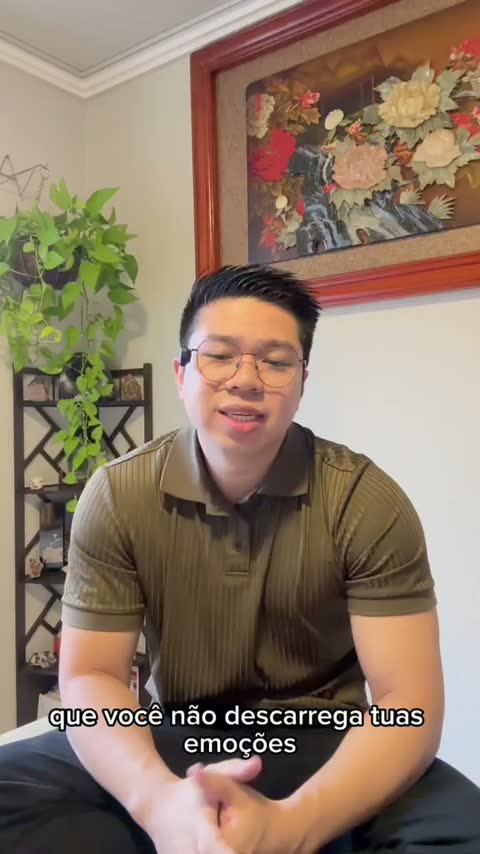
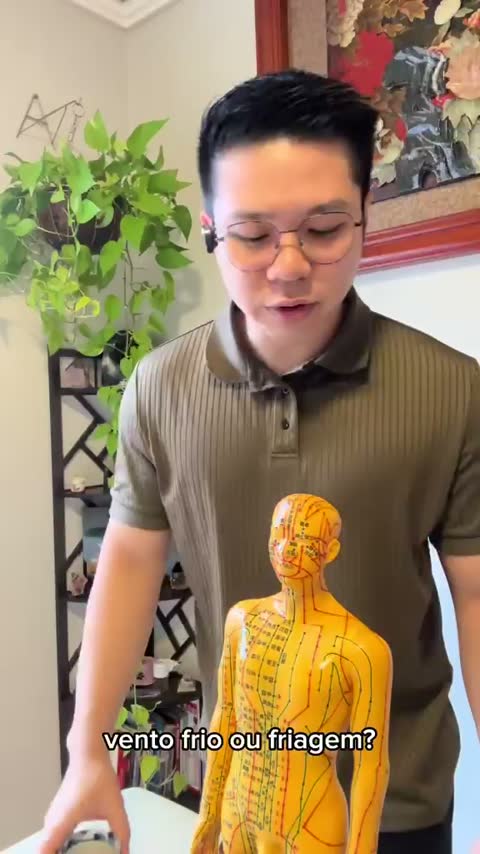
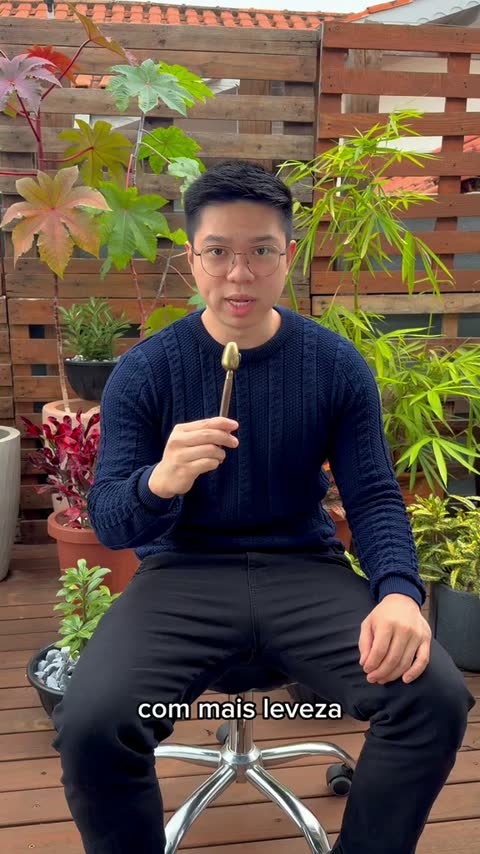
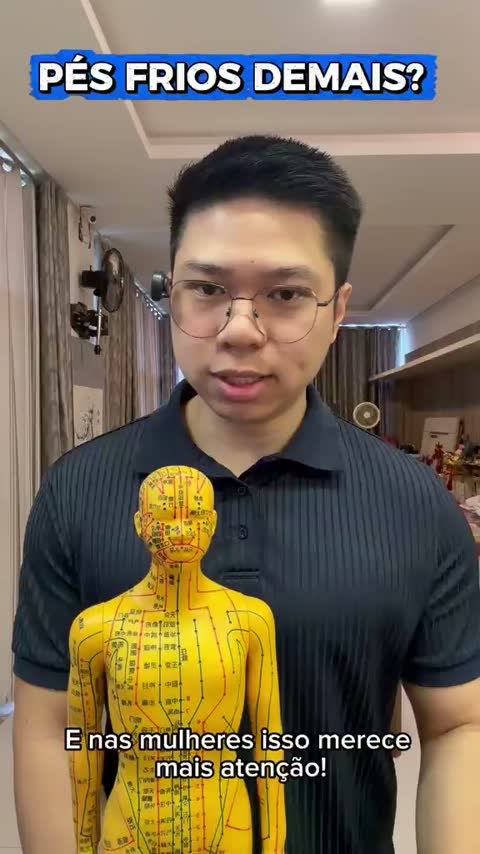
A few minutes to get to know Dr. Chang's work.

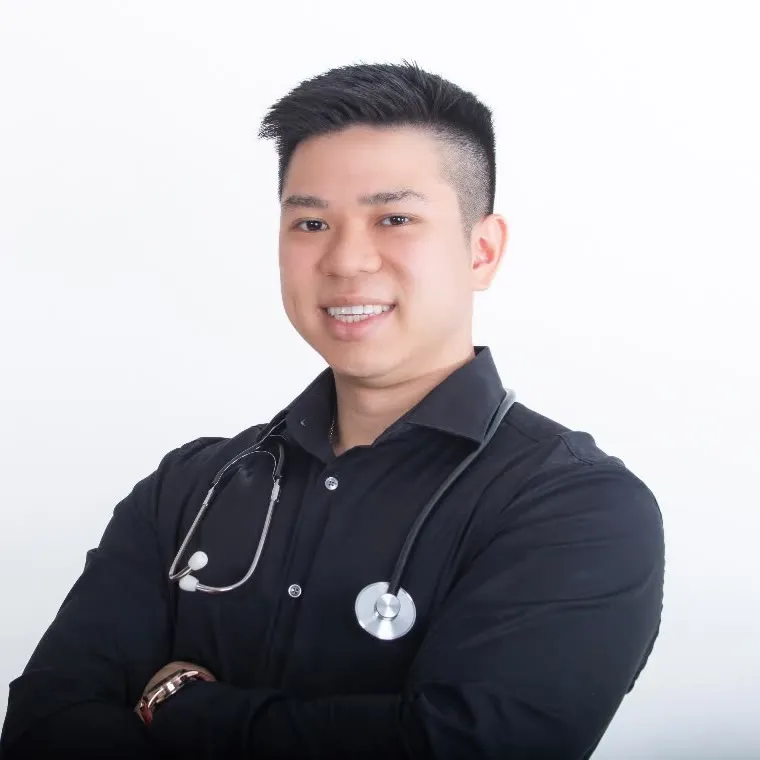
Portrait of Dr. Chang

About Dr. Chang

I am a physiotherapist, and I found in Chinese medicine a way of caring that looks at the whole person: body, mind and emotion. At the clinic in Foz do Iguaçu and in online consultations, I see patients in Portuguese, Spanish and Chinese, combining Chinese medicine, osteopathy and craniosacral therapy according to what each person needs.

Training

  • Physiotherapy
  • Acupuncture and Traditional Chinese Medicine
  • Craniosacral Therapy – Upledger Institute
  • Visceral Osteopathy – Jean-Pierre Barral
  • The fascial system and Fascial Decoding
  • Naturopathy
  • Therapeutic Constellation

Testimonials

Patient testimonials, published with permission.

That session we did was very good. In the first one I didn't feel much difference, but this other one was very good. I felt relief… From that day until today, I've been feeling calm. I'm very peaceful, with a clear mind to work and feeling well. Thank you for helping me.

Translated from Portuguese
View original

Foi muito boa essa sessão que a gente fez. Na primeira, eu não senti tanta diferença, mas essa outra foi muito boa. Senti um alívio… Desde esse dia pra hoje, eu tô bem sossegado. Tô bem tranquilo, com a mente limpa pra trabalhar e me sentindo bem. Obrigado por me ajudar.

I no longer have as many headaches; I feel more energetic, cheerful and with a calm mind.

I have never found a professional of this level. Excellent care. Thank you so much! Dr. Chang, you helped me understand the pattern I was living in, and so I was able to resolve what wasn't good for me. Few professionals address this, and I am very grateful for your guidance and direction.

Translated from Portuguese
View original

Eu não tô mais com tanta dor de cabeça, estou mais disposto, alegre e com a mente calma.

Nunca encontrei um profissional desse nível. Excelente atendimento. Muito obrigado! Dr. Chang, você me fez entender e compreender o padrão que eu estava vivendo e assim consegui resolver o que não estava fazendo bem para mim. Poucos profissionais abordam sobre isso, e sou muito grato a você pelas orientações e direcionamentos.

Dr. Chang, I would like to thank you from the heart for all the care, attention and dedication during my treatment. It is very good to find a professional who, besides knowledge, gives the patient a sense of security and trust. Thank you so much for everything you did for me.

Translated from Portuguese
View original

Dr. Chang, gostaria de agradecer de coração por todo o cuidado, atenção e dedicação durante o meu tratamento. É muito bom encontrar um profissional que, além do conhecimento, transmite segurança e confiança ao paciente. Muito obrigado por tudo que fez por mim.

In person or online

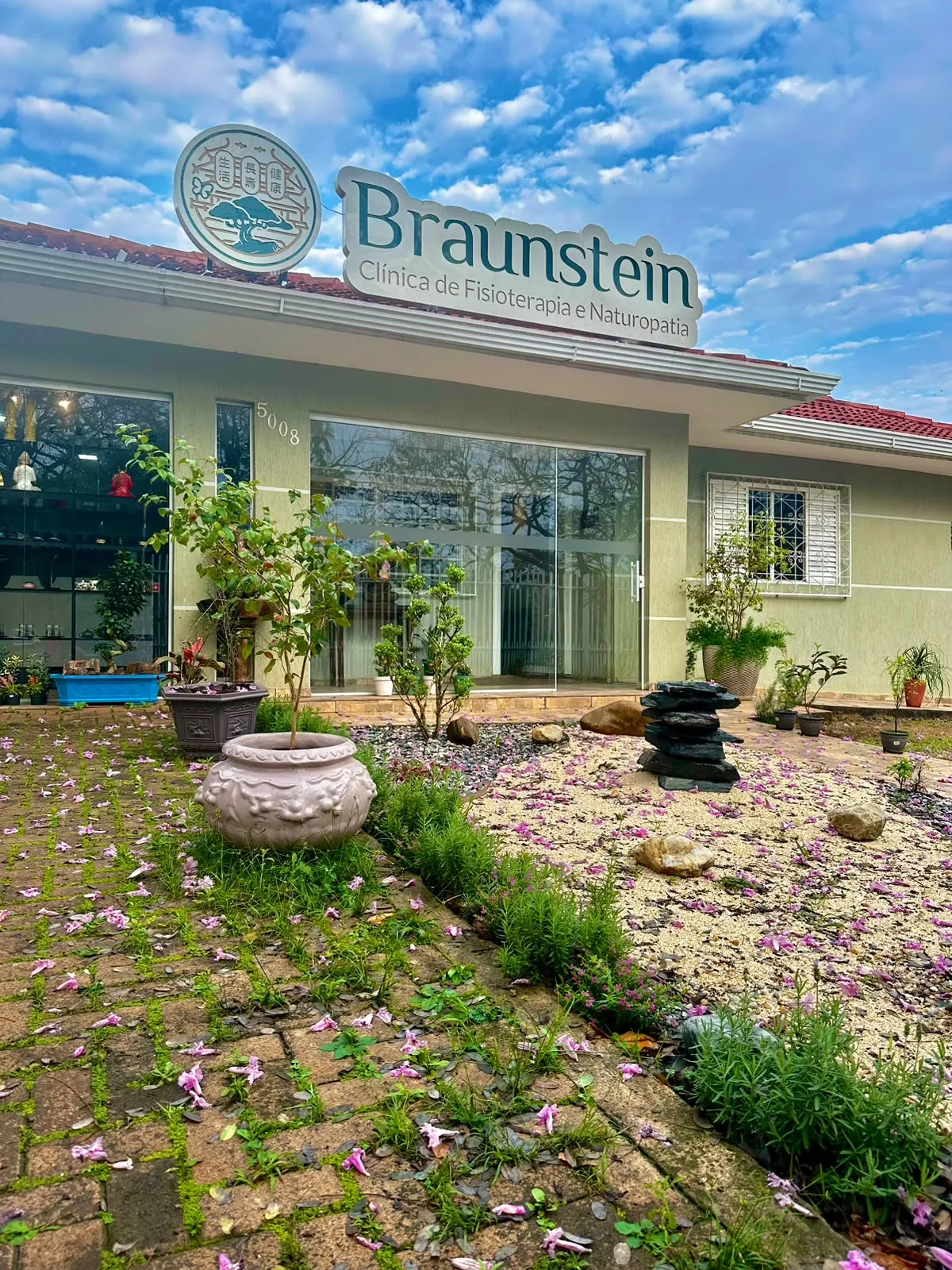
The clinic's front, with the sign on the roof and the stone garden in front

In person in Foz do Iguaçu

Address
Av. Paraná, 5008 – Itaipu A, Foz do Iguaçu – PR, 85860-290
Hours
By appointment only, 8 a.m. to 6 p.m.
Open in Google Maps

Online consultation

The online consultation is guidance: we talk through your history and you receive self-care advice on habits, sleep and food and, when indicated, a referral to in-person care. It does not replace in-person care.

Frequently asked questions

Does the online consultation replace in-person care?

No. The online consultation is guidance and does not replace in-person care. When an in-person assessment is indicated, I will refer you to it.

In which languages do you see patients?

Care is offered in Portuguese, Spanish and Chinese (中文). Not in English.

How many sessions will I need?

It depends on your complaint and on how your body responds. At the assessment we build an initial plan and review it at every return visit.

Does acupuncture hurt?

The needles are very thin. Most people feel only a light pressure or tingling at the point, which passes quickly.

Do you accept health insurance?

Care is private. I issue a receipt so you can ask your health plan for reimbursement, if it offers one.

Every body has a story.

Book an assessment

Pre-registration

Fill in the details below. When you submit, WhatsApp opens with the message ready for you to review.

  1. You send your details on WhatsApp
  2. In-person assessment
  3. Care plan

Mobile with area code. e.g. (45) 99999-9999

Your details are not stored on this site: they only build the WhatsApp message.

Book (opens WhatsApp)